
Resources
Contact
Blog
About
Services
info@inner-woven.com
633 E Ray Rd, Bldg 8, Ste 134
Gilbert, AZ, 85296
(480) 331-1633
Home
BOOK A FREE CONSULTATION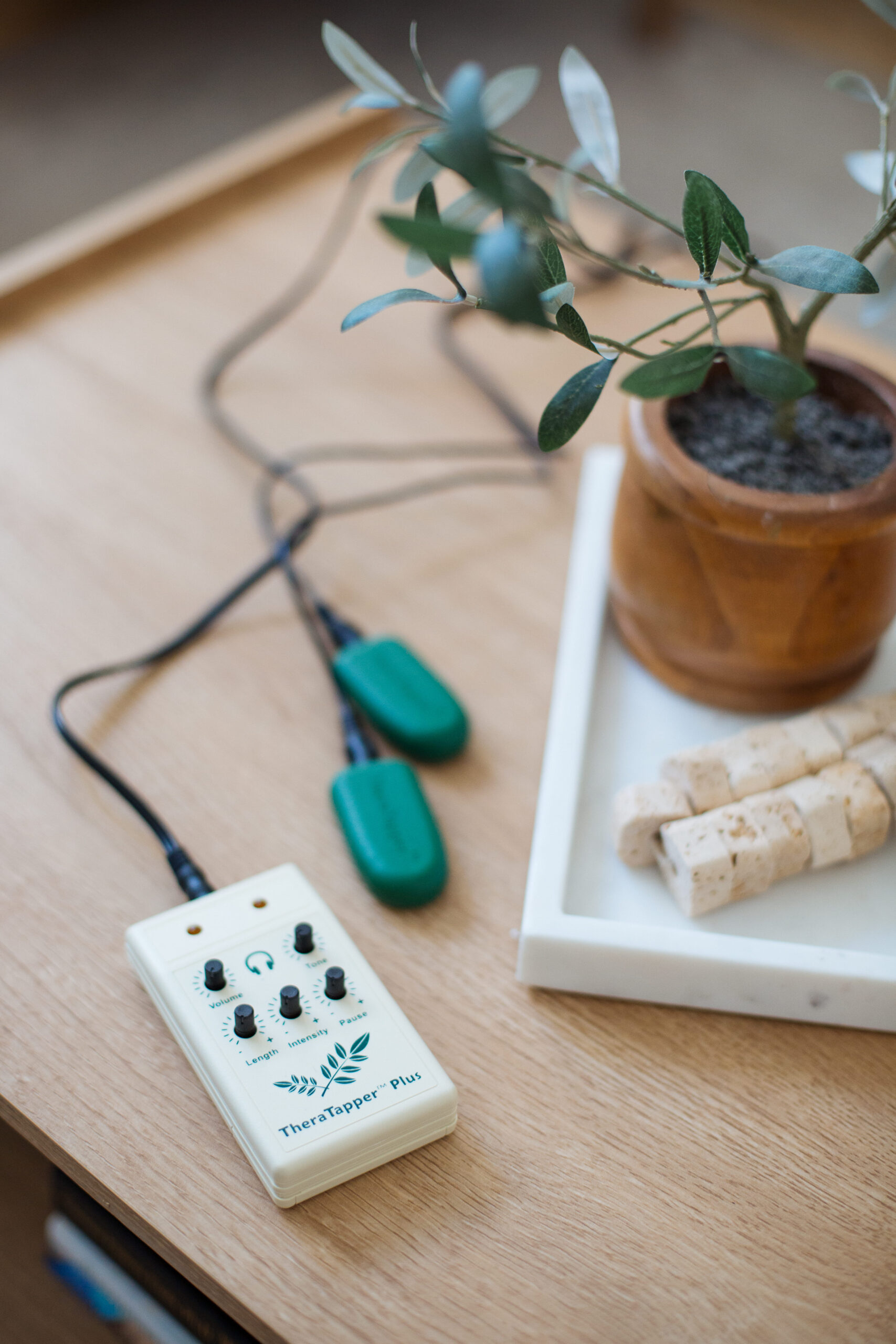


Hi, I'm Keira!
a licensed trauma therapist in Arizona helping high-functioning people break free from survival patterns like people pleasing, burnout, and emotional overwhelm. I specialize in attachment wounds, CPTSD, and nervous system healing using EMDR, somatic therapy, and ketamine-assisted psychotherapy.
ATTACHMENT
RELATIONSHIPS
INDIVIDUALS
EMDR INTENSIVE
KETAMINE
TRAUMA
What is EMDR Therapy?
So you’ve heard about EMDR therapy and you’re curious. Maybe a friend mentioned it, or your current therapist brought it up, or you saw it online and thought ‘what even is that?’ EMDR stands for Eye Movement Desensitization and Reprocessing (yes, it’s a mouthful) but what it does is pretty straightforward. It’s a type of trauma therapy that helps your brain process experiences that are still triggering strong emotions, anxiety, or self-doubt, even years after they happened.
While this technique might sound intense and complicated, it couldn’t have a simpler backstory. A psychologist named Francine Shapiro was on a walk in the late 1980s when she noticed something, as her eyes moved back and forth, her distressing thoughts started losing their sharpness. She decided to dig into why that was happening, ran with it, and eventually developed a whole therapy method around it. Now thanks to Francine, I am able to use eye movements, tapping, or handheld buzzers in my own office to help your brain finally process memories that keep you stuck. Instead of reacting to old wounds, you can actually respond to what’s in front of you.
When you go through something traumatic or extremely stressful, your brain’s survival system kicks into overdrive. The logical, thinking parts shut down and you’re left with pure emotional and physical reaction. This is why, sometimes years later, a certain tone of voice, a smell, or even just a look can make your body react like the threat is happening right now. EMDR helps your brain finally process these memories the way it should have originally. It connects them to time and context so your body understands, that was then, this is now.
EMDR can help with anxiety, emotional overwhelm, attachment wounds, and those patterns that keep repeating no matter how much insight you have. When you work with an EMDR therapist, you’ll start noticing that situations which used to completely overwhelm you don’t have the same grip on your thoughts, feelings, or decisions.
How EMDR Therapy Works
When you experience trauma, your nervous system reacts before your brain can catch up. An EMDR therapist guides you to notice these reactions without getting swept away by them. Over time, you’ll develop more control over how you respond emotionally instead of just being at the mercy of your automatic reactions.
EMDR therapy helps your nervous system calm down so you’re not constantly getting flooded by emotions in situations that used to feel impossible. As you get more grounded, staying present gets easier. You can make actual choices about how you respond to stress instead of defaulting to shutdown mode, panic spirals, or bending over backwards to manage everyone else’s feelings.
What EMDR Therapy Can Help With
EMDR therapy helps when you’re stuck in the same emotional loops or when past experiences won’t stop showing up in your daily life. It’s commonly used for trauma therapy, whether that trauma happened last month or twenty years ago.
If anxiety or emotional overwhelm is calling the shots in your life, EMDR can help regulate your nervous system so you’re not constantly getting hijacked by your triggers. It’s also effective for processing attachment wounds or relationship patterns you can see so clearly but can’t seem to stop repeating, even when you know better in your head.
Working with an EMDR therapist, whether in person in Gilbert, AZ or online, gives you actual tools, not just coping strategies, but real skills to notice what’s happening in your body and shift how you respond. EMDR counseling helps you feel less reactive and more in control so you can handle everyday challenges without them completely derailing your day.
EMDR therapy works with your body, brain, and emotions all at once. Over time, the memories that used to knock you sideways start losing their punch. Things that made you anxious, self-critical, or overwhelmed become manageable. You get space to choose how you respond instead of just reacting on autopilot.
What an EMDR Session Typically Looks Like
Every EMDR counseling session is tailored to you and moves at your pace. We start by figuring out what’s going on for you right now and building safety in your nervous system first. This part matters because when big emotions or difficult memories come up, you need to feel grounded, not like you’re drowning.
Phase 1: History Taking
We start by exploring your story. What patterns keep showing up? What do your relationships feel like? What experiences are still affecting you? This helps us figure out where to focus our work.
Phase 2: Preparation
This phase builds your capacity to feel intense emotions without completely falling apart. You’ll learn to stay grounded even when big feelings show up, and you’ll learn that your therapist can hold space for whatever comes up. This part takes time, sometimes weeks, sometimes months, and that’s completely normal.
Phase 3: Mapping
We get specific here. Which memories are we working on? What beliefs formed from those experiences? What does it feel like in your body when they get triggered? This creates a clear map so we’re not just wandering around hoping something shifts.
Phases 4–6: Reprocessing
This is where we use the eye movements, tapping, or buzzers. Your brain starts processing what’s been stuck. I also use body based techniques to help you release and reorganize what you’ve been holding. You walk away feeling calmer and more resilient than when we started.
Phase 7: Closure
We always end with grounding so you’re not leaving the session feeling raw and exposed. You leave feeling safe and supported. Every session starts with a check-in to see what changed since we last met, what feels different, what’s still there, or what needs attention.
EMDR therapy is available in 90-minute sessions that can often do what takes 3-5 shorter sessions. It allows us to move deeper into the material and leaves time to ground and close intentionally. Book your EMDR session today and start feeling steadier and in control of your emotions.
How to Know If EMDR Therapy Might Be a Good Fit
You might be ready for EMDR therapy if you’re curious about why your mind and body respond to stress the way they do, even when life looks pretty normal on the surface. Maybe you’re looking for an EMDR therapist to help when you’re tired of just managing and want actual tools to feel grounded and less reactive.
EMDR treatment can help if certain situations consistently trigger old patterns, you might freeze up, overthink everything, or carry tension you can’t shake, and you’re not even sure why. Even small things that leave you feeling off balance can be a sign your nervous system is still holding onto something from the past.
EMDR therapy lets you explore these reactions safely and at your own pace. You don’t need to have every memory perfectly mapped out or some major crisis happening. Curiosity and a willingness to notice your patterns is enough to get started
Frequently Asked Questions About EMDR Therapy
Is EMDR therapy only for trauma or PTSD?
No. EMDR also helps with anxiety, overwhelming emotions, and building confidence for stressful situations. Athletes and public speakers use it, but so do everyday people who just want to feel more prepared and less reactive.
Do I have to share every detail of my experience?
No. When working with a trained EMDR therapist in Gilbert, AZ, you can focus on the memories and patterns that affect you most, without recounting every detail. Reliving your trauma is retraumatizing and is the opposite of what we’re trying to do.
How long does EMDR therapy usually take?
It depends on what you’re working on and how much you’re carrying. Some people feel a difference after a handful of sessions. Others have more layers to work through and need more time. There’s no magic number, your healing moves at its own pace.
What does the eye movement part involve?
Bilateral stimulation can be guided eye movements, gentle tapping, or handheld buzzers. These tools help your brain process what’s stuck while you stay present and grounded. Your EMDR therapist guides you through it in a safe, structured way so you’re not just flailing around in painful memories.
Can EMDR help if I feel “high-functioning” but still overwhelmed?
Absolutely. You can look like you have it all together on the outside and still be struggling on the inside. EMDR therapy helps with the stress you’re carrying that no one else sees, the patterns that keep repeating, the tension your nervous system won’t let go of, the exhaustion of keeping it all together.
Taking the Next Step with EMDR Therapy
I know exploring therapy can feel intimidating. But whether you’re dealing with anxiety, processing trauma, or just tired of the same patterns playing out over and over, EMDR therapy can help you feel more grounded and less like your reactions are running the show.
If you’re reading this and wondering if EMDR therapy might be right for you, the best way to find out is to actually experience it. You don’t have to have it all figured out before you reach out. That’s what the process is for, and you won’t be doing it alone
Ready to take the next step? Book a session with a licensed EMDR therapist in Gilbert, AZ, and we’ll talk about what’s going on for you and whether EMDR therapy feels like the right next step.


Get monthly insights and new resources
Join our email community for thoughtful monthly insights about attachment healing, nervous system regulation, and reconnecting with your authentic self.
No spam, no daily overwhelm, just quality content when we have something meaningful to share.
CLIENT PORTAL
HOME
ABOUT
SERVICES
RESOURCES
BOOK A SESSIONCONTACT
InnerWoven provides trauma therapy and attachment healing for high-achieving individuals struggling with people-pleasing and emotional overwhelm in Arizona.
info@inner-woven.com
633 E Ray Rd, Bldg 8, Ste 134
Gilbert, AZ, 85296
(480) 331-1633
The Site
Let's Connect
BOOK A CONSULTATIONResources
Contact
Client Portal
Blog
About
Services
info@inner-woven.com
633 E Ray Rd, Bldg 8, Ste 134
Gilbert, AZ, 85296
(480) 331-1633