
Overstimulated? Here’s Why Noisy Environments Wipe You Out, And What To Do About It
8/26/26


Overstimulated? Here’s Why Noisy Environments Wipe You Out, And What To Do About It
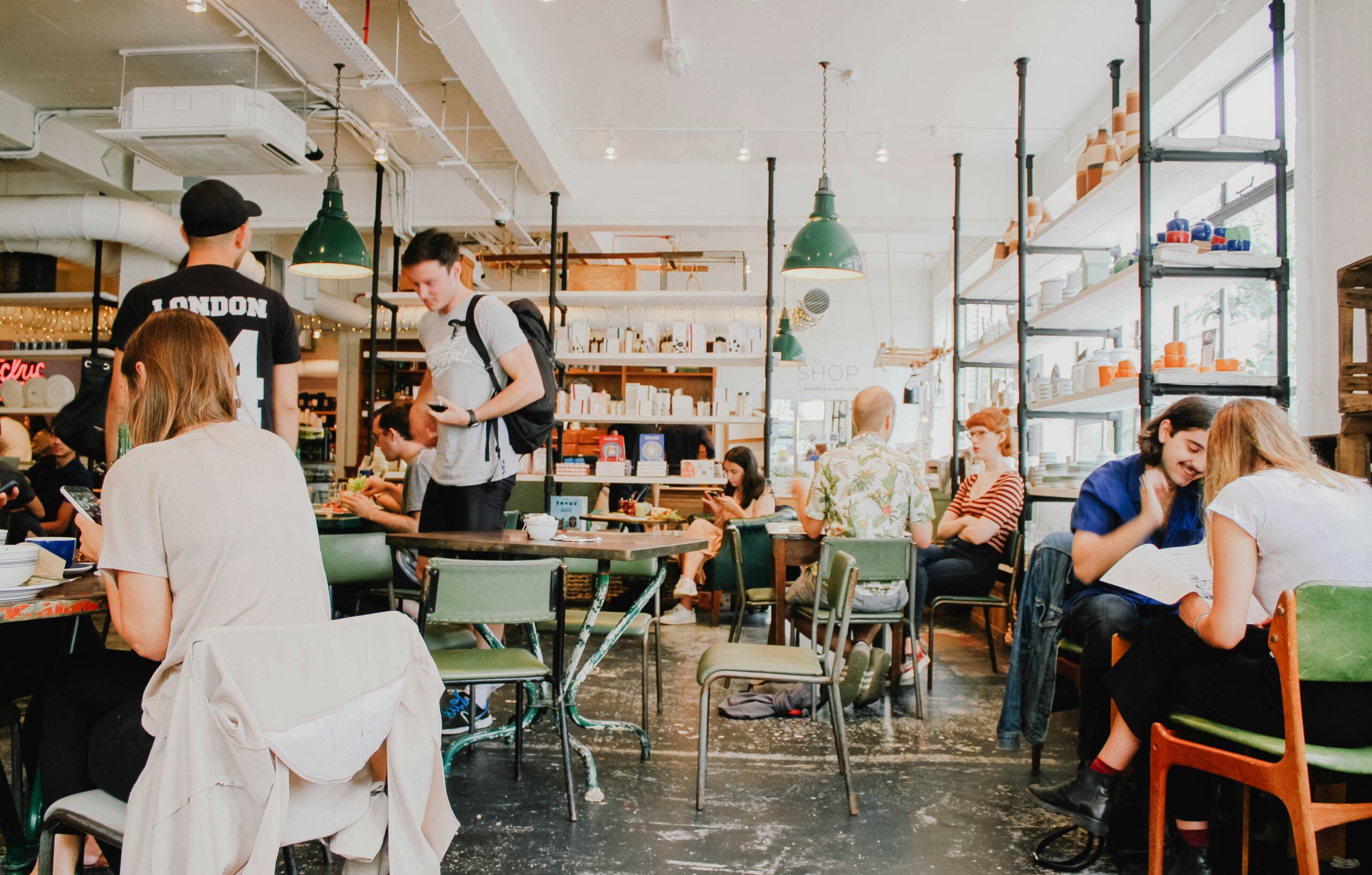
Have you ever left a crowded restaurant, busy shopping center, sporting event, concert, or family gathering feeling completely exhausted, even if you were only there for a couple of hours?
Maybe you found yourself becoming irritable for no apparent reason. Maybe your patience disappeared. You struggled to concentrate. You felt anxious, emotionally drained, or needed hours, or even an entire day, to recover.
If you’ve ever wondered, “Why does everyone else seem fine while I feel completely overwhelmed?” you’re not alone.
Many people experience sensory overload and nervous system dysregulation in high stimulus environments, especially those who have lived through trauma, chronic stress, anxiety, burnout, or simply have a more sensitive nervous system. The good news is that nothing is “wrong” with you. Your nervous system is doing exactly what it learned to do.
Understanding why this happens is often the first step toward emotional healing and developing healthier ways to regulate your mind and body.
What Is a High Stimulus Environment?
A high stimulus environment is any setting where your brain is asked to process a large amount of information all at once.
Examples include:
- Busy grocery stores
- Shopping malls
- Airports
- Sporting events
- Concerts
- Theme parks
- Crowded restaurants
- Family gatherings
- School hallways
- Open office spaces
- Festivals or community events
In these environments, your brain is constantly sorting through conversations, bright lights, movement, background music, smells, social interactions, and unexpected sounds. While many people find these settings tiring, some nervous systems experience them as significantly more overwhelming.
Why Your Nervous System Feels Overwhelmed
Your nervous system has one primary job: keeping you safe.
Every second of every day, it scans your surroundings for signs of danger or safety. Most of this happens automatically without you realizing it.
When your nervous system perceives your environment as manageable, you can think clearly, connect with others, and regulate your emotions with relative ease.
But when your brain receives more information than it can comfortably process, it begins prioritizing survival over comfort.
Instead of asking,
“How can I enjoy this?”
your nervous system starts asking,
“How do I get through this?”
This shift can lead to increased anxiety, irritability, mental fatigue, and feeling emotionally drained afterward. All of these are simply signs that your nervous system has reached its capacity.
Why Trauma Makes Sensory Overload More Intense
People who have experienced trauma often have nervous systems that learned to stay alert for long periods of time.
Trauma doesn’t simply affect memories. It also changes how the brain interprets the world.
After living through frightening, unpredictable, or emotionally unsafe experiences, the nervous system becomes exceptionally skilled at noticing potential threats. This adaptation can be lifesaving during difficult circumstances.
The challenge is that once the danger has passed, the nervous system doesn’t always receive the message that it’s safe again.
Instead, it continues scanning.
Busy environments provide an enormous amount of information for your system to monitor:
- Who’s behind me?
- What’s that loud noise?
- Someone just bumped into me.
- Why is everyone talking so loudly?
- Where’s the exit?
- Is something about to happen?
Even if you’re consciously enjoying yourself, your nervous system may still be working overtime in the background, attempting to protect you from any potential threats. Unfortunately, a nervous system that’s lived in survival mode for a while doesn’t know the difference between someone coming up behind you to say hi and someone coming up behind you to kill you. Kind of a big difference!
This constant vigilance requires energy, which is why many people feel completely depleted afterward.
Chronic Stress and Burnout Change Your Window of Tolerance
Here’s the tricky part, you don’t have to have experienced trauma for high stimulus environments to feel overwhelming.
Living with chronic stress, caregiving responsibilities, demanding jobs, parenting, health concerns, or prolonged anxiety can gradually reduce your nervous system’s ability to tolerate stimulation.
Think of your nervous system like a phone battery.
When fully charged, unexpected stressors don’t affect it as much.
But after weeks, or even months, of running on empty, even small demands begin to feel overwhelming.
Someone experiencing burnout may notice:
- Grocery stores suddenly feel exhausting.
- Restaurants become too loud.
- Social events require days to recover from.
- Running errands feels emotionally draining.
- Public places increase anxiety.
Your nervous system is trying to communicate that it needs restoration. Are you able to slow down, turn toward it, and listen?
Why Your Brain Struggles to Filter Everything Out
One of the brain’s incredible abilities is filtering information.
Most people don’t consciously notice every sound, conversation, movement, smell, or light around them because the brain automatically decides what’s important.
However, under prolonged stress or anxiety, this filtering system becomes less efficient.
Instead of ignoring unnecessary information, your brain starts paying attention to everything.
Every conversation.
Every child crying.
Every shopping cart.
Every loudspeaker announcement.
Every bright light.
Every movement in your peripheral vision.
Imagine trying to have ten conversations at the same time while someone keeps turning the volume up.
That’s often what sensory overload feels like.
By the time you get home, your brain has spent hours processing information that other nervous systems may have filtered out automatically.
Anxiety in Public Isn’t Always Social Anxiety
Many people assume feeling anxious in public automatically means they have social anxiety.
Sometimes that’s true.
But often, what people describe is actually nervous system overload.
You may enjoy being around people while simultaneously feeling overwhelmed by the amount of sensory input around you.
This looks more like racing thoughts, difficulty focusing, increased irritability, or feeling like you need to go stare at a blank wall for an hour afterward.
But, those symptoms often reflect nervous system dysregulation rather than a lack of confidence or social skills.
How Therapy Can Help Build Nervous System Resilience
The goal isn’t to eliminate stimulation from your life.
The goal is helping your nervous system become more flexible and resilient.
In therapy, we work on increasing your capacity to experience life’s demands without becoming overwhelmed by them.
Depending on your needs, therapy may include:
Understanding Your Nervous System
Learning why your body responds the way it does often reduces shame and self criticism.
Instead of asking,
“What’s wrong with me?”
you begin asking,
“What is my nervous system trying to tell me?”
That shift alone can be incredibly healing.
Building Emotional Regulation Skills
Effective emotional regulation isn’t about suppressing emotions.
It’s about learning how to notice, understand, and respond to your emotions without feeling controlled by them.
Together, we may practice skills that help you:
- Recognize early signs of overwhelm
- Respond before reaching your breaking point
- Recover more quickly after stressful situations
- Feel more grounded in daily life
Processing Trauma
For many people, unresolved trauma keeps the nervous system stuck in survival mode.
Trauma focused approaches, including EMDR therapy and other evidence based treatments, can help the brain process experiences that continue to influence present day reactions.
As those memories become less activating, many people notice they feel calmer, more present, and less overwhelmed in everyday environments.
Increasing Your Window of Tolerance
Rather than avoiding every busy place, therapy helps gradually expand your nervous system’s ability to tolerate stimulation while staying regulated.
Over time, many clients notice they recover more quickly after social events, tolerate public places with greater ease, and feel more emotionally balanced throughout their day.
Recovery Doesn’t Mean Never Feeling Overwhelmed
Healing isn’t about becoming someone who never gets overstimulated. Even healthy nervous systems become tired after busy days.
Recovery can look like:
- Recognizing your limits without judgment.
- Understanding what your body needs.
- Recovering more quickly.
- Feeling less controlled by anxiety.
- Building confidence that you can handle life’s challenges.
The goal isn’t perfection. It’s flexibility.
You Don’t Have to Stay Stuck in Survival Mode
If busy environments consistently leave you anxious, emotionally drained, or exhausted, it doesn’t mean you’re “too sensitive.”
Your nervous system may simply be carrying more than it was ever meant to carry alone.
Healing is possible.
With support, many people learn to regulate their emotions more effectively, strengthen their nervous system, and feel more confident navigating the world around them.
If you’re ready to better understand your reactions, reduce anxiety, and build lasting resilience, therapy can help.
Ready to Take the Next Step?
You don’t have to figure this out on your own. Whether you’re experiencing anxiety in public, recovering from chronic stress or burnout, processing trauma, or simply feeling emotionally overwhelmed more often than you’d like, therapy can provide practical tools and compassionate support.
If you’re interested in learning how therapy can help you strengthen your nervous system regulation, improve emotional regulation, and move toward lasting emotional healing, I’d be honored to walk alongside you.
If you’re located in Arizona and are ready to begin your healing journey, I invite you to reach out to InnerWoven Collective. Together, we can help you better understand your nervous system, develop practical coping skills, and build lasting resilience so you can engage in life with greater confidence and peace.
About the Author
Shauna Richardson, LAC, is a Licensed Associate Counselor at InnerWoven Collective in Gilbert, Arizona. She specializes in helping adults navigate anxiety, trauma, grief, burnout, attachment wounds, and life transitions through a compassionate, trauma informed approach. EMDR trained and grounded in evidence based practices including Cognitive Behavioral Therapy (CBT), Dialectical Behavior Therapy (DBT), Acceptance and Commitment Therapy (ACT), mindfulness, and somatic interventions, Shauna helps clients better understand their nervous systems, strengthen emotional regulation skills, and move toward lasting healing. With over two years of clinical experience, she is passionate about helping people move beyond survival mode and create meaningful, sustainable change in their lives.



Get monthly insights and new resources
Join our email community for thoughtful monthly insights about attachment healing, nervous system regulation, and reconnecting with your authentic self.
No spam, no daily overwhelm, just quality content when we have something meaningful to share.